Quick summary — You have a limited budget and no time to waste on the wrong platform. The google ads vs facebook ads for local businesses debate comes down to one question: do you want to reach people who are already searching for you, or people who might be interested if you show up in the right place? Both answers lead to different platforms.
- Google Ads reaches people actively searching for your product or service right now.
- Facebook Ads reaches people who match your ideal customer profile but are not searching yet.
- Google Ads gives faster leads for restaurants and realtors with urgent buying intent.
- Facebook Ads builds brand awareness and works better for retargeting past visitors.
- Running both together produces the strongest results when your budget allows it.
The core difference between google ads vs facebook ads for local businesses
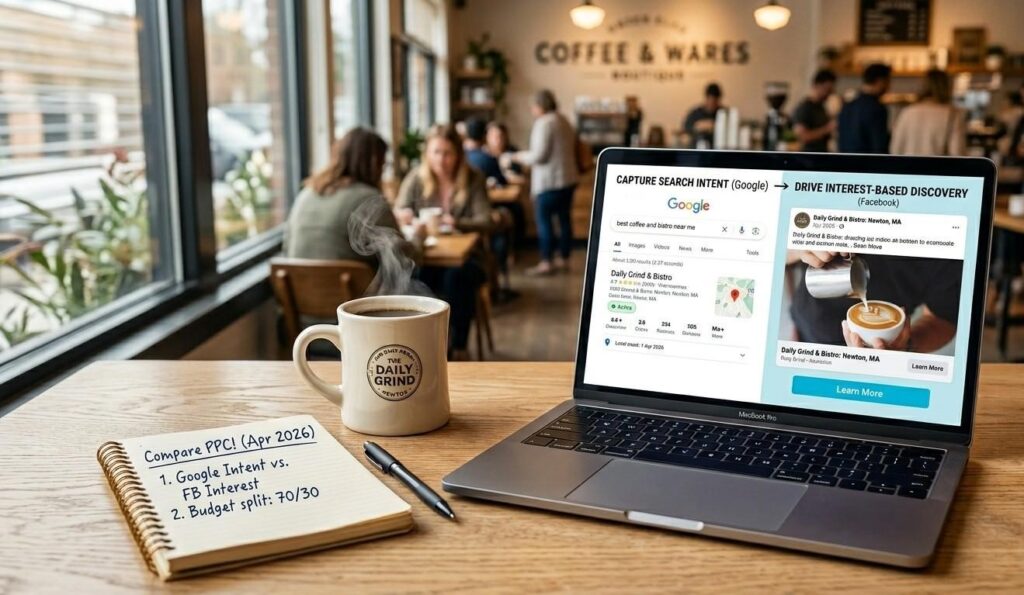
The difference comes down to intent versus interest. Google Ads targets people who search a specific phrase like “best Thai restaurant near me” or “realtor in Austin.” Those people already want what you sell. They just need to find you fast.
Facebook Ads targets people based on who they are: their age, location, interests and life events. A 32-year-old in your city who recently got engaged shows up as a potential home buyer. A food lover who follows local dining pages shows up as a potential restaurant customer. They were not searching for you. But Facebook put you in front of them at the right time.
So when you compare google ads vs facebook ads for local businesses which is better, the real answer is: they do different jobs. Google captures demand that already exists. Facebook creates demand by reaching people before they start searching.
According to Think with Google’s local intent research [opens in new tab], 76% of people who search for something nearby visit a business within one day. That same urgency does not exist on Facebook. A buyer browsing their feed might act tomorrow, next week or not at all. For local businesses that need customers this week, Google Ads wins that race.
Facebook ads vs Google ads for restaurants: which platform fills more tables
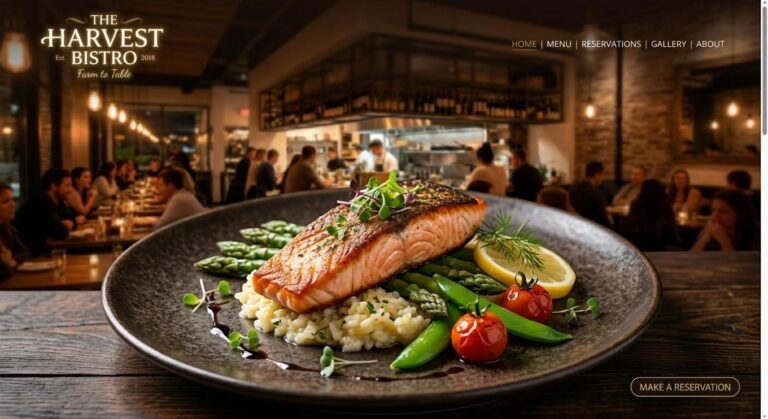
Facebook ads vs google ads for restaurants depends on what result you want fastest. A restaurant that needs bookings this weekend should run Google Ads. A restaurant building long-term brand awareness in a new neighborhood should run Facebook Ads.
Google Ads puts your restaurant at the top of results the moment someone searches “dinner near me” or “best brunch in [city].” That person decided they want to eat out. They just need to pick a place. Your ad appears right in that decision window. A well-written ad with a strong offer converts that search into a reservation fast.
The Facebook retargeting setup that brings back visitors who never booked
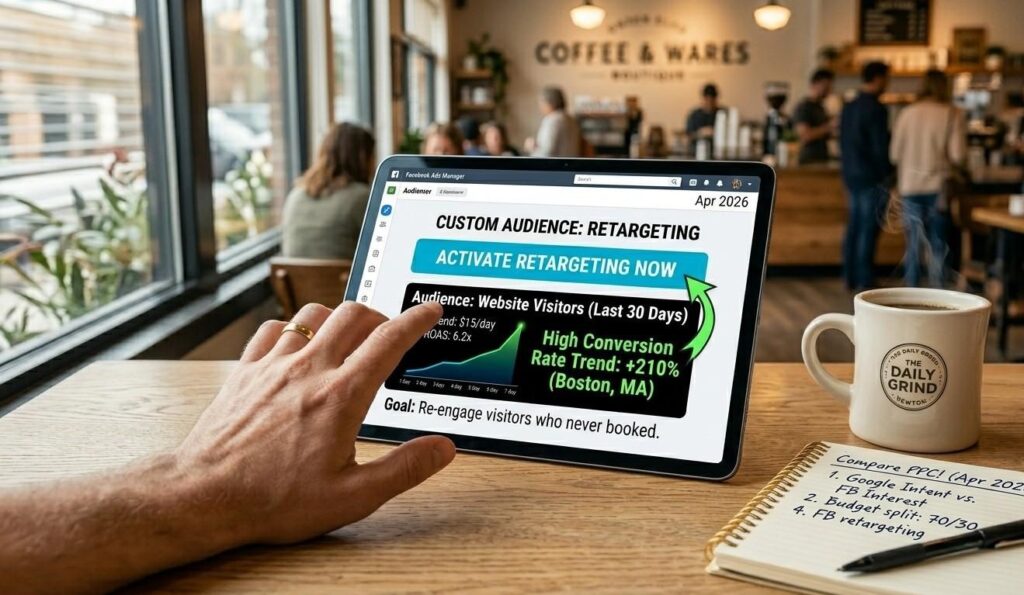
Facebook does something Google cannot do nearly as well: retarget. When someone visits your restaurant website and leaves without booking, Facebook tracks that visit. You can then run a retargeting ad that shows your restaurant to that same person as they scroll through Facebook or Instagram later that day.
That retargeting audience converts at two to four times the rate of a cold audience because those people already know who you are. The ad just reminds them to act. For restaurants, a retargeting ad with a midweek special or a limited weekend offer works extremely well on a very small daily budget.
Our social media management service handles both organic and paid Facebook content for restaurants who want both channels running without doing all the work themselves.
Google ads vs Facebook ads ROI comparison: what the numbers say for local businesses
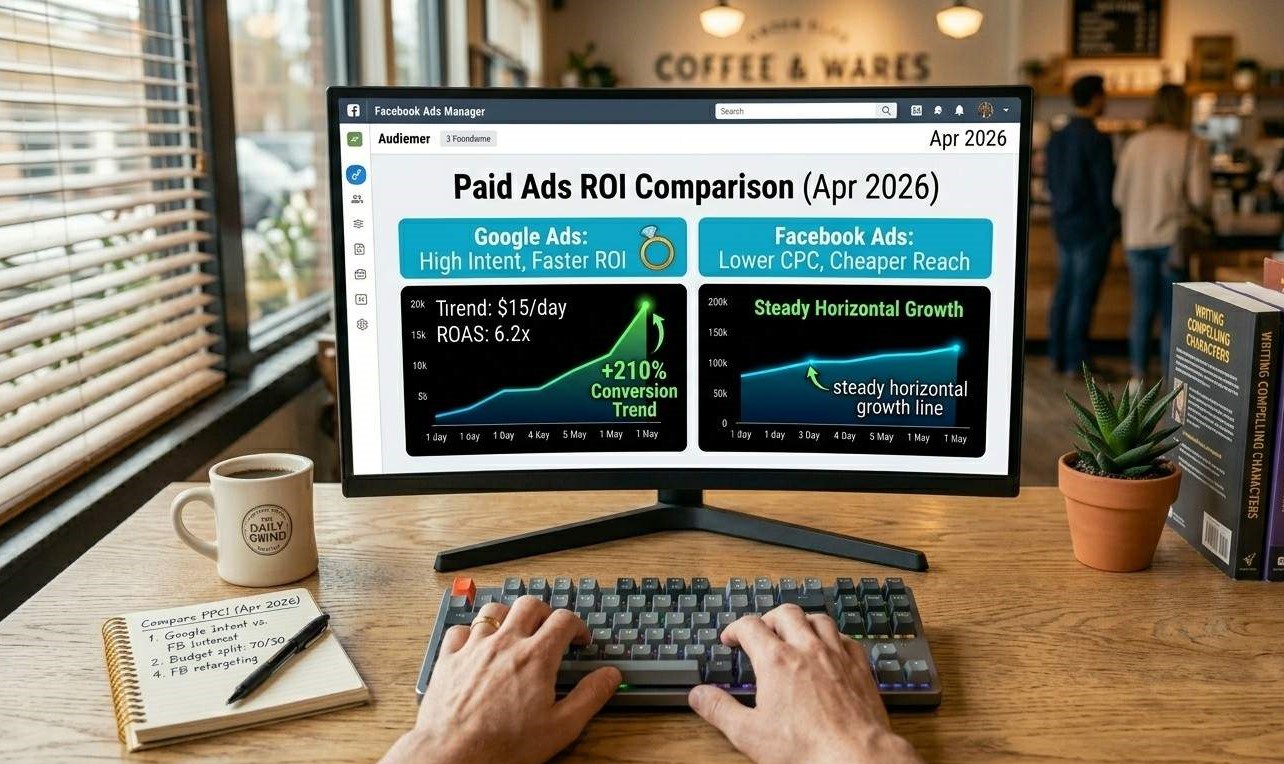
The google ads vs facebook ads roi comparison for local businesses consistently shows one pattern. Google Ads delivers faster ROI. Facebook Ads delivers cheaper reach. Both statements are true at the same time and they explain why most successful local businesses eventually use both platforms together.
HubSpot’s paid advertising benchmark data [opens in new tab] shows that Google Ads delivers an average return of $2 for every $1 spent across all industries. For local service businesses with strong buying intent behind their keywords, that return often runs higher. A restaurant spending $500 per month on Google Ads and generating 30 new bookings at $40 average spend earns $1,200 from a $500 outlay. That math works.
Facebook Ads cost less per impression and per click than Google Ads in most local markets. But fewer of those clicks come from buyers ready to act immediately. So your conversion rate on Facebook typically runs lower. The cost per lead often ends up similar to Google Ads once you factor in the full funnel.
The real roi comparison insight is this. Use Google Ads when you want leads now. Use Facebook Ads when you want to build an audience, stay visible between purchases and retarget warm visitors at low cost. Both tools fit a healthy local paid strategy.
Best paid ads platform for small business: how to decide based on your situation
The best paid ads platform for small business depends on three things: your goal, your timeline and your audience. No single platform wins for every business in every situation. But clear patterns do emerge by business type.
If you run a restaurant and want more bookings this week, start with Google Ads. Your customers actively search for dining options. A search ad puts you at the top of those results immediately. Our detailed guide on Google Ads for restaurants covers the exact campaign structure that works best for food businesses.
If you run a real estate business and want to build long-term brand awareness in a specific neighborhood, Facebook Ads work well. You can target homeowners in a zip code, people who recently searched for moving companies or people in a specific income range. That granular targeting lets you stay visible to a defined local audience for a low daily spend.
The starter scenario: $500 per month split between both platforms
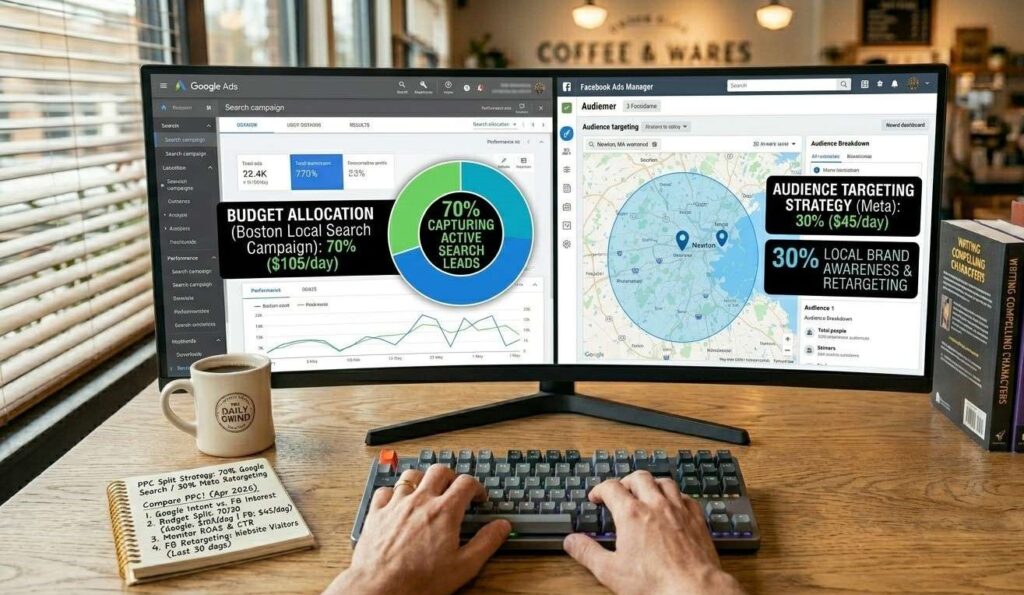
Many local businesses do well with a split budget in their first 90 days. Put $350 into Google Ads to capture immediate search demand. Put $150 into Facebook Ads for retargeting and brand awareness. That split costs the same as one platform alone but builds two separate lead flows at once. After 90 days, shift more budget toward whichever platform produces the lower cost per lead.
Which platform is better for real estate agents: a straight answer
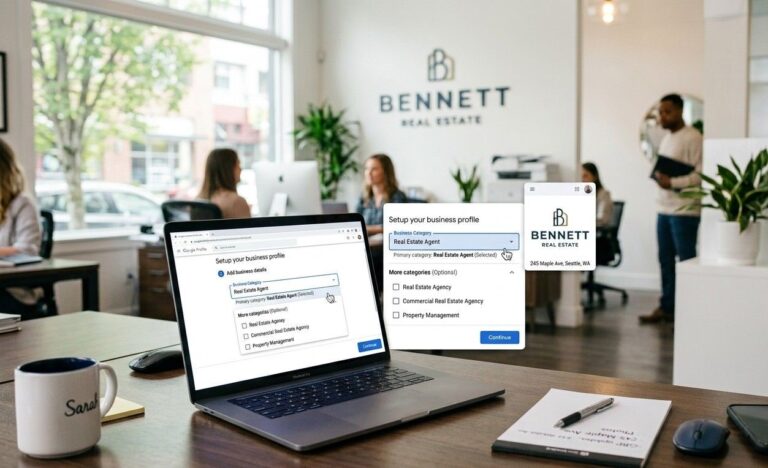
For realtors, the google ads vs facebook ads for local businesses which is better question has a clearer answer than for most business types. Google Ads wins for buyer and seller leads with urgent intent. Facebook Ads wins for long-term brand building and neighborhood farming.
A buyer who types “homes for sale in [city]” into Google is ready to act. Your ad appears first. They click. They fill your form. That lead is warm from the first contact. Our post on Google Ads for real estate agents step by step covers that campaign structure in full detail.
Facebook works differently for realtors. It lets you stay visible to a specific audience over weeks or months. A homeowner in your target neighborhood sees your market update posts, your listing videos and your client win stories regularly. By the time they decide to sell, they already trust you. That trust takes time to build on Google Ads but comes naturally on Facebook with consistent content.
Backlinko’s paid advertising comparison research [opens in new tab] confirms that service businesses with high-value single transactions, like real estate, typically see the strongest ROI from Google Ads. Facebook works best as a supporting channel that keeps your name visible in between active campaigns.
The google ads vs facebook ads for local businesses debate does not need a single winner. It needs a smart allocation based on your goal right now. Pick your primary goal today, choose the platform that fits it and launch your first campaign this week. Our Google Ads management team helps local businesses run both channels efficiently. Talk to us here.
Frequently Asked Questions
Q: Should I use Google Ads or Facebook Ads for my local business?
Start with Google Ads if you need leads fast. Google reaches people who already search for what you sell. Start with Facebook Ads if you want to build awareness or retarget past website visitors at low cost. The google ads vs facebook ads for local businesses question often resolves to: use Google for urgent buyers and Facebook for warm audiences who need more time before they act.
Q: What is the main difference between Google and Facebook advertising?
Google Ads targets search intent. Someone types a query and your ad appears in the results. Facebook Ads targets audience profiles. You pick who sees your ad based on their age, location, interests and behaviors. Google captures buyers who are already looking. Facebook reaches people who match your ideal customer but have not started looking yet. Both approaches produce leads through different paths.
Q: Which ad platform gives better ROI for restaurants?
Google Ads gives faster ROI for restaurants because it reaches people actively searching for a place to eat right now. Facebook ads vs google ads for restaurants shows that Google wins on speed and Facebook wins on cost per impression. For a restaurant that needs bookings this week, Google Ads performs better. For a restaurant building awareness in a new area over 60 to 90 days, Facebook Ads costs less per person reached.
Q: Which is cheaper, Google Ads or Facebook Ads?
Facebook Ads cost less per click and per impression in most local markets. Google Ads cost more per click but attract buyers with stronger intent to act. The google ads vs facebook ads roi comparison often shows similar cost per lead once you factor in conversion rates. A cheaper click that does not convert costs more than an expensive click that does. Track cost per lead rather than cost per click to make a fair comparison.
Q: Can I run both Google Ads and Facebook Ads at the same time?
Yes and most successful local businesses eventually do. A split budget of 70% Google Ads and 30% Facebook Ads works well for businesses that need immediate leads while also building brand awareness. Google covers active searchers and Facebook covers retargeting and long-term visibility. Running both at once creates two separate lead flows from one monthly budget without doubling your workload significantly.
Q: Which platform is better for real estate agents?
Google Ads produces faster real estate leads because buyers and sellers actively search for agents. A well-targeted Search campaign can generate leads in the first two weeks. Facebook Ads works better for building long-term presence in a neighborhood and staying visible to homeowners who are not quite ready to list yet. Most top realtors run Google Ads for immediate leads and Facebook to stay top of mind between transactions.
Q: How do I know which platform is working better for my business?
Track cost per lead on both platforms every week, not cost per click. A lower cost per click means nothing if those clicks do not convert into calls or form fills. Set up conversion tracking on both platforms before you spend a dollar on either. After 60 days of data, compare the cost per lead side by side. Put more budget into the platform that produces the lower cost per lead and use the other for retargeting only.